You have probably heard of gonorrhea before. But what exactly is it, and how can it lead to infertility? First, take a breath — not all cases of gonorrhea lead to infertility. Early treatment is the key, and with timely care, full recovery is absolutely possible. This article breaks down what gonorrhea is, how it spreads, the symptoms in both men and women, and the stages through which it can silently cause infertility if left untreated.
What Is Gonorrhea?
Gonorrhea is a sexually transmitted infection (STI) caused by a bacterium called Neisseria gonorrhoeae — a Gram-negative diplococcus that thrives in warm, moist areas of the body such as the urethra, cervix, rectum, throat, and eyes. It is one of the most common STIs worldwide and is transmitted almost exclusively through sexual contact.
Another bacterium, Chlamydia trachomatis, can cause a similar STI and often co-infects alongside gonorrhea, which is why treatment typically covers both at the same time.
🔬 Key Facts: The incubation period is typically 2–7 days after exposure. Gonorrhea can infect the genitals, rectum, and throat — meaning oral and anal sex are also transmission routes, not just vaginal intercourse.
What Are the Symptoms?
In Women
Gonorrhea is often called a "silent" infection in women because roughly 50% of infected women show no symptoms at all. When symptoms do appear, they may include:
- Increased or unusual vaginal discharge (watery, creamy, or slightly green)
- Pain or burning during urination
- Bleeding between periods, especially after sex
- Pelvic or lower abdominal pain
- Pain during sexual intercourse
The absence of symptoms is particularly dangerous because it allows the infection to silently progress to more serious complications without the woman ever knowing she is infected.
In Men
Men are more likely to notice symptoms — approximately 90% of infected men develop them. Common signs include:
- A burning or painful sensation during urination
- White, yellow, or green discharge from the penis
- Pain or swelling in one testicle
- Redness or swelling at the tip of the penis (less common)
Because men usually develop symptoms, they tend to seek treatment earlier — which is one reason gonorrhea-related infertility is less common in men than in women.
How Is Gonorrhea Spread?
Gonorrhea spreads through:
- Unprotected vaginal, anal, or oral sex with an infected person
- Mother to newborn during childbirth, which can cause an eye infection in the baby (ophthalmia neonatorum)
It is not spread through casual contact — hugging, sharing food, shaking hands, or sitting on toilet seats will not transmit gonorrhea.
Risk increases with multiple sexual partners, inconsistent condom use, a previous STI diagnosis, and being under 25 years of age (the group with the highest infection rates globally).
How Does Gonorrhea Lead to Infertility?
This is a three-stage process, and the danger lies in how quietly it can progress — especially in women.
Stage 1 — Cervical Infection
When a woman is infected, N. gonorrhoeae first attaches to the cells of the cervix (the narrow passage connecting the vagina to the uterus). At this stage, the infection is localised and can still be completely cleared with a course of antibiotics. The problem is that about half of women at this stage have no symptoms, so they never seek treatment.
Stage 2 — Pelvic Inflammatory Disease (PID)
If the infection at the cervix goes untreated, the bacteria ascend upward through the uterus into the fallopian tubes, ovaries, and pelvic cavity. This triggers a condition called Pelvic Inflammatory Disease (PID) — widespread inflammation of the upper reproductive organs.
Strikingly, up to 50% of women with PID also have mild or no symptoms — meaning the damage can progress entirely unnoticed. PID causes swelling, pus formation, and the beginning of tissue damage in the fallopian tubes.
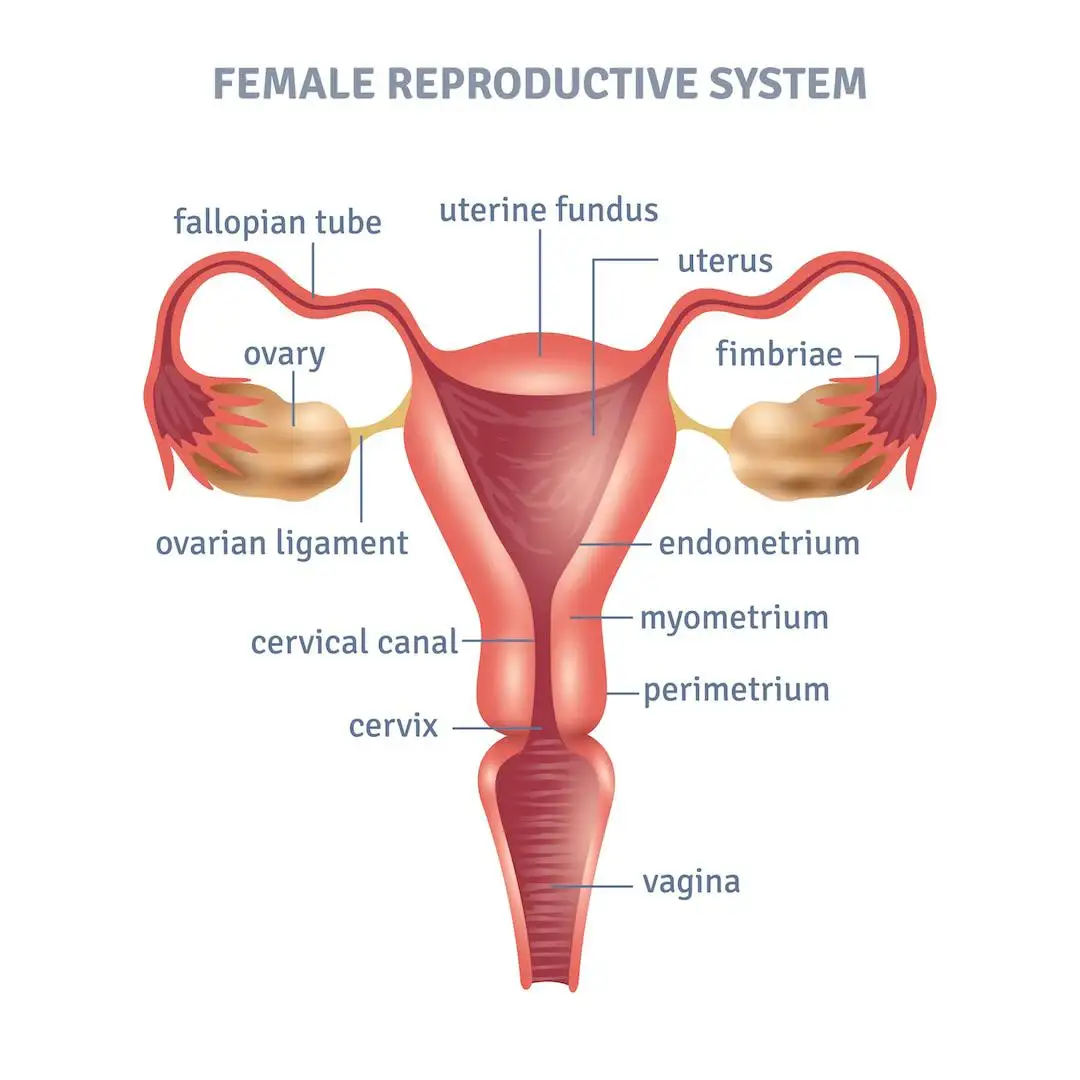
Stage 3 — Scarring and Infertility
As PID resolves (treated or untreated), the inflammation leaves behind scar tissue and adhesions in the fallopian tubes. This scarring can:
- Partially or completely block the fallopian tubes, preventing sperm from reaching an egg
- Damage the tiny hair-like structures (cilia) inside the tubes that move the egg along
- Increase the risk of ectopic pregnancy (where a fertilised egg implants inside the tube instead of the uterus) by 6–10 times
📊 The Numbers: One episode of PID carries a 10–15% risk of infertility. After three episodes, that risk rises to approximately 50%. This is why early treatment is not just recommended — it is critical.
What About Men?
Men can also develop gonorrhea-related fertility problems, though it is less common. The pathway is similar: the infection starts in the urethra and, if untreated, ascends to the epididymis — the coiled tube behind each testicle where sperm mature and are stored.
This causes epididymitis (inflammation of the epididymis), which can lead to:
- Scar tissue that blocks the epididymal duct (obstructive azoospermia)
- Low sperm count (oligospermia)
- Reduced sperm motility
- Sperm DNA damage from inflammation
Because men typically notice symptoms and seek treatment sooner, the infection rarely progresses this far, but it is still a real risk when left untreated.
Treatment — There Is Real Hope
Both gonorrhea and PID are treatable. The key is catching them early.
Current guidelines recommend dual antibiotic therapy to cover both gonorrhea and potential chlamydia co-infection:
- Ceftriaxone 500 mg by injection (single dose)
- Azithromycin 1g orally (single dose) or Doxycycline 100 mg twice daily for 7 days
PID requires a longer, more aggressive course — often 14 days of antibiotics, and hospitalisation in severe cases (high fever, vomiting, abscess, pregnancy, or failure of outpatient treatment).
Key Note: Do not self-medicate; seek professional help if you experience any symptoms. This article is for educational purposes only.
⚠️ Important: Always complete the full antibiotic course even if symptoms disappear. Avoid sexual activity until both you and your partner have finished treatment. Retest 7–14 days after completing treatment, and again at 3 months due to high reinfection rates.
Prevention and Screening
Prevention is always better than treating complications. Here is what works:
- Use condoms consistently during all forms of sexual activity
- Get tested regularly — especially if you are under 25, have new or multiple partners, or have had a previous STI
- Notify partners so they can also be tested and treated
- Attend antenatal screening if pregnant — gonorrhea can be passed to your baby during delivery
Screening recommendations: all sexually active women under 25 should have an annual gonorrhea screen. Women 25 and over with risk factors should also screen annually. Men who have sex with men should screen at least annually.
The Bottom Line
Gonorrhea is common, often silent, and entirely treatable — but only if caught in time. The real danger is in the waiting. When left untreated, it can quietly progress from a simple bacterial infection to permanent damage to your reproductive system. The good news is that every stage before scarring occurs is reversible with the right antibiotics.
If you are sexually active, regular screening is one of the most important things you can do for your long-term health — not because something is necessarily wrong, but because catching something early means it never has to become a bigger problem. 💙