For many women, menstruation is marked by more than just a calendar reminder; it brings sharp cramps, lower back pain, and waves of discomfort that can make daily tasks feel impossible. This painful experience is known as dysmenorrhea. Dysmenorrhea affects millions worldwide and you are not alone. While mild, manageable discomfort is often considered a normal physiologic process, pain that disrupts your daily life is not something you should simply have to endure.
Overview of Dysmenorrhea
Dysmenorrhea simply means painful menstruation. It comes in two main forms, primary and secondary.
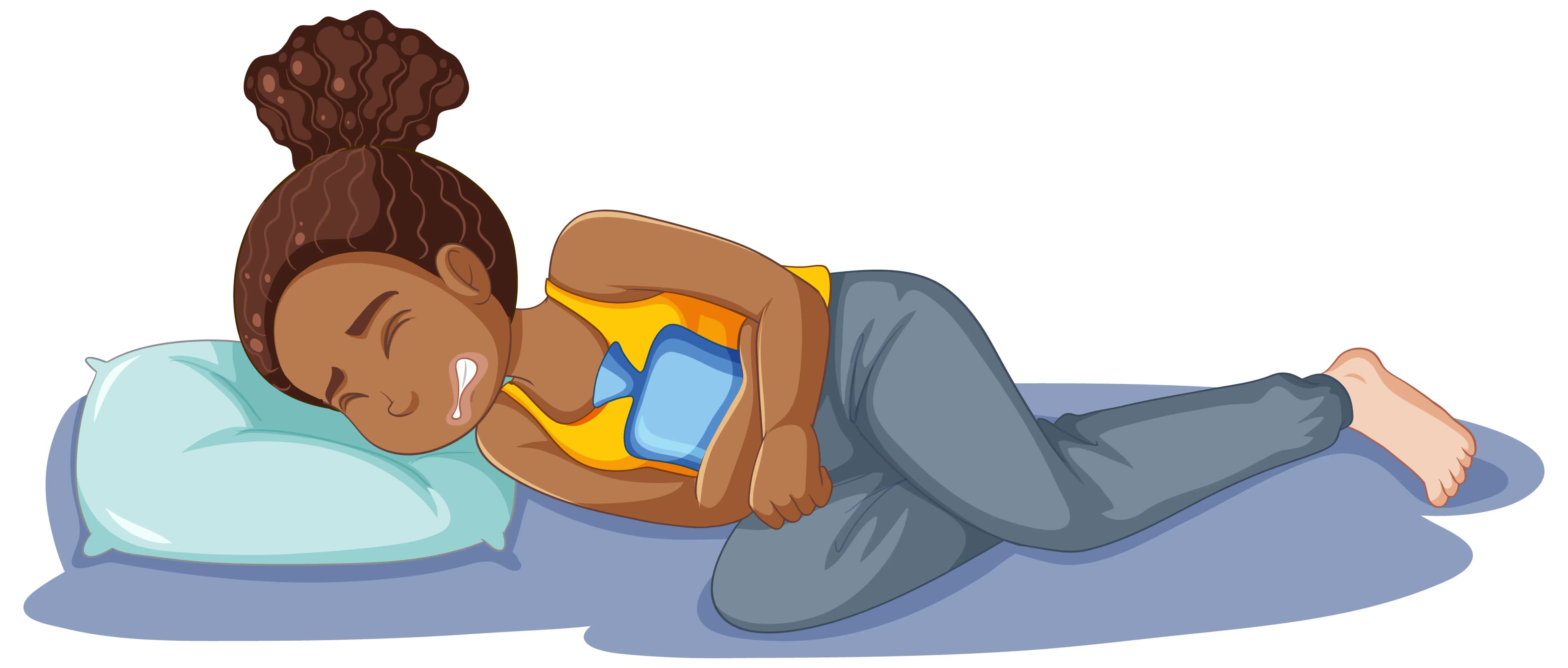 Source: Designed by freepik (www.freepik.com)
Fascinating Fact: Dysmenorrhea affects up to 90% of menstruating women at some point, making it one of the most common gynecological issues worldwide.
Types of Dysmenorrhea
Primary Dysmenorrhea
Primary dysmenorrhea is the most common type of period pain, and importantly, it is not caused by an underlying disease or pelvic abnormality. It is simply the body’s natural response to menstruation.
-
When it starts: It typically begins during adolescence, usually within a year or two after your first period.
-
The Cause: It is triggered by a natural rise in prostaglandins. These are hormone-like substances that cause your uterus to contract (squeeze) so it can shed its lining. If your body releases higher levels of these chemicals, it can lead to intense, painful contractions. These strong contractions temporarily reduce the blood flow and oxygen supply to the uterine muscles, which is what causes the cramping sensation.
-
What to expect: Pain usually begins a day or two before your period starts and typically lasts for up to three days into your cycle.
Secondary Dysmenorrhea
- Underlying Condition: Caused by issues like endometriosis (uterine-like tissue outside the womb), fibroids (noncancerous growths), or pelvic inflammatory disease; an infection (PID).
- Characteristics: Worsens over time, lasts longer than the period, often resistant to simple pain relievers.
Clinical Insight: If pain starts later in life or suddenly worsens, it may indicate secondary dysmenorrhea—prompting further investigation.
Clinical Features: Symptoms of Dysmenorrhea
The pain is typically felt in the lower abdomen, back, or thighs, sometimes accompanied by nausea, headaches, fatigue, or even diarrhea.
Analogy Alert: The cramps from excess prostaglandins are like overzealous workers squeezing the uterus too hard, leading to oxygen deprivation and pain.
Management: Coping with Dysmenorrhea
Coping with dysmenorrhea goes beyond painkillers. While NSAIDs like ibuprofen or diclofenac can reduce pain and prostaglandin production, a holistic approach often works best.
- Heat Therapy: Applying heat to the abdomen helps relax muscles and improve blood flow.
- Exercise: Releases endorphins, your body’s natural painkillers, which can ease cramps.
- Lifestyle Factors: Stress management, adequate sleep, and a balanced diet rich in fruits, vegetables, and omega-3 fats also play a role in reducing inflammation.
- Medical Options: For severe cases, hormonal therapy (like birth control pills or patches) to regulate or lighten periods.
 Source: Designed by freepik (www.freepik.com)
Practical Tip: Start NSAIDs a day before expected onset for better prostaglandin control and pain prevention.
When to Seek Help: Beyond Self-Management
For women whose pain is severe or persistent, a visit to a healthcare provider is crucial. They may recommend further tests to rule out deeper issues like endometriosis.
Red Flags: Sudden severe pain, pain lasting beyond your period, or associated with fever/irregular bleeding—seek immediate care.
Key Takeaways
- Dysmenorrhea: Painful menstruation, primary (prostaglandin-related) or secondary (underlying conditions).
- Symptoms: Cramps in abdomen/back/thighs, nausea, headaches, fatigue.
- Management: NSAIDs, heat, exercise, diet, hormonal therapy for severe cases.
- When to See Doctor: Severe/persistent pain, worsening symptoms, or suspicion of conditions like endometriosis.
- Importance: Recognize as a medical issue; empathy and open dialogue are key.
Conclusion
Menstrual pain is common, but it should never be unbearable. Listening to your body, seeking medical care when needed, and speaking openly about menstrual health can help turn that monthly struggle into a manageable, even empowering, part of womanhood.
Dysmenorrhea transforms from a silent sufferer to an empowered experience through understanding, management, and advocacy.