You're gaining weight despite careful eating. Your periods are unpredictable or absent. There's unwanted hair and persistent acne. If this sounds familiar, you may have PCOS, a condition affecting approximately 1 in 10 women of reproductive age.
What Is PCOS?
A Whole-Body Hormonal Condition
PCOS is more than a reproductive issue. Your body produces excess androgens (male-type hormones), disrupting your menstrual cycle and triggering symptoms across multiple systems. Your ovaries may develop small fluid-filled cysts, though not all women with PCOS have visible cysts.
Diagnosis requires at least two of these: irregular periods, signs of excess androgens (hair growth, acne, elevated hormone levels), or polycystic ovaries on ultrasound.
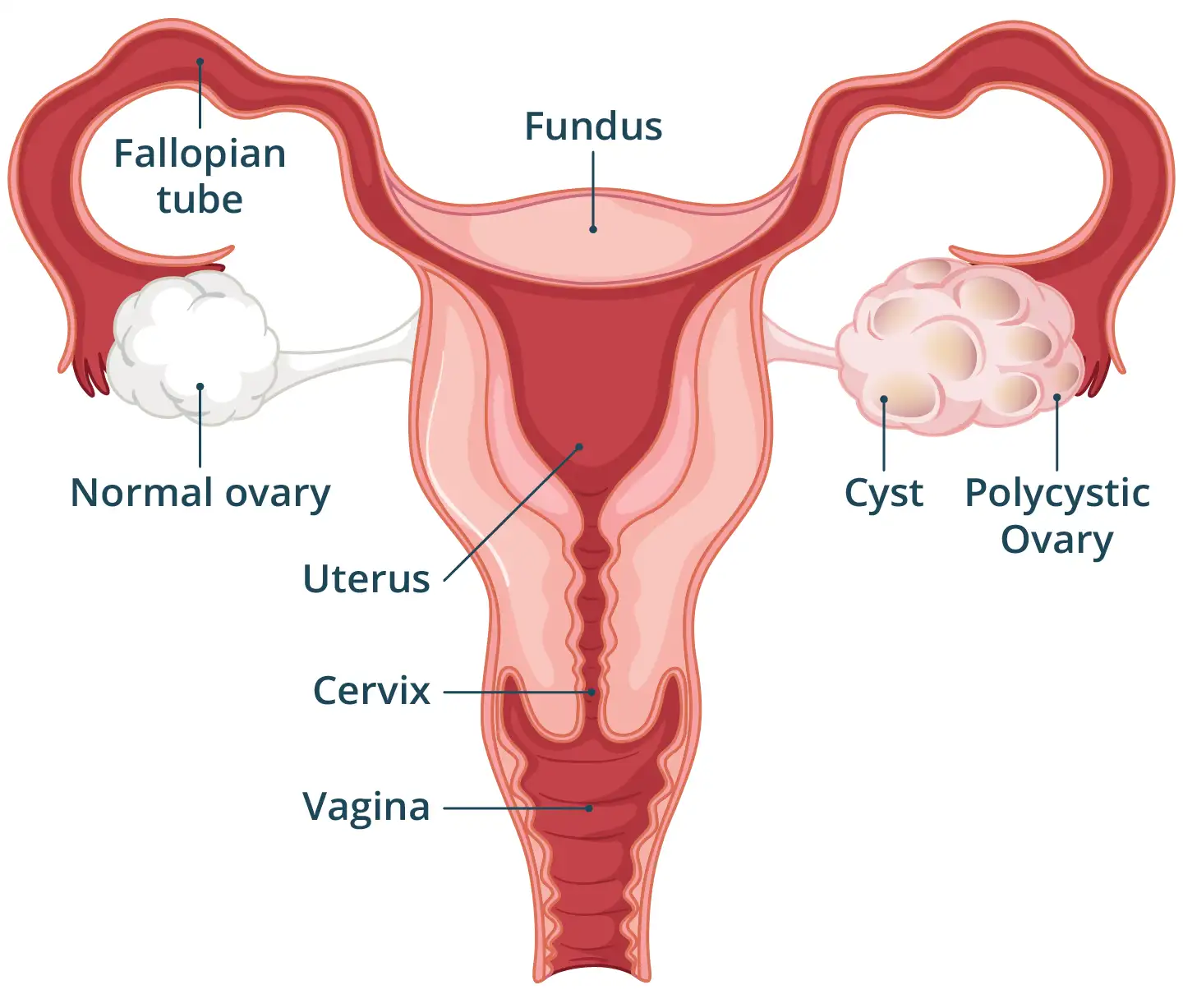 Source: https://www.healthdirect.gov.au/polycystic-ovarian-syndrome-pcos
Why It Happens
Insulin Resistance: The Core Problem
Many women with Polycystic Ovary Syndrome (PCOS) deal with a condition called insulin resistance. To understand what this means, think of insulin as a key that unlocks your cells so they can use sugar (glucose) for energy.
-
The Problem: With insulin resistance, those "locks" on your cells become jammed. Your body’s keys "the insulin" no longer work well to open them.
-
The Chain Reaction: Because your cells aren't getting enough energy, your pancreas tries to help by pumping out extra insulin. Unfortunately, this excess insulin acts like a signal to your ovaries, telling them to produce too much of the hormone androgen. High levels of androgens are what cause many of the physical symptoms associated with PCOS.
Why Conventional Weight Loss Often Struggles: This cycle changes how your body manages fuel. Instead of easily burning fat for energy, your body becomes very efficient at storing fat and very resistant to burning it.
This is why standard advice like "just eat less and move more", is often ineffective for those with PCOS. It isn't a lack of willpower; it is a fundamental difference in how your metabolism is operating. Your body is essentially working against you, making it naturally harder to lose weight despite your best efforts.
Common Symptoms
What to Watch For
- Irregular or absent periods.
- Unwanted hair growth on face, chest, or abdomen.
- Stubborn weight gain around your midsection.
- Acne resistant to treatment.
- Persistent fatigue.
These symptoms vary widely between women.
Health Risks
Why This Matters
Women with PCOS are approximately four times more likely to develop type 2 diabetes. Higher risk of cardiovascular disease, high blood pressure, and elevated cholesterol. Increased anxiety and depression. Regular health screenings are essential.
Managing PCOS
Evidence-Based Strategies
Nutrition: Focus on whole foods, complex carbs, lean proteins, and healthy fats. A 5-10% weight reduction improves insulin sensitivity and can restore regular periods.
Exercise: Aim for 30 minutes of moderate activity most days. Both cardio and strength training improve insulin sensitivity and reduce inflammation.
Stress and Sleep: Prioritize 7-9 hours of quality sleep. Practice stress reduction like meditation or yoga.
Medication: Birth control pills regulate periods and reduce androgens. Metformin improves insulin sensitivity. Anti-androgen medications help with hair growth and acne.
Fertility Support: PCOS is one of the most treatable causes of female infertility. Work with a reproductive specialist if planning to conceive.
Getting Diagnosed
What to Expect
Talk to a healthcare provider if you have irregular periods, unexplained weight gain, excessive hair growth, or difficulty getting pregnant. Diagnosis involves blood tests checking hormone levels and usually an ultrasound.
Look for providers with PCOS experience, such as a gynecologist, endocrinologist, or reproductive specialist.
The Bottom Line
You're Not Alone
PCOS is manageable with the right support and treatment. Thousands of women live full, healthy lives with PCOS. You're not broken, your body is just signaling that it needs support. Reach out to providers who listen, connect with communities who understand, and be patient with yourself.
You've got this. 🌸